2026-09-13 ·
Protecting Finished Basements from Elm Creek Overflow in Osseo
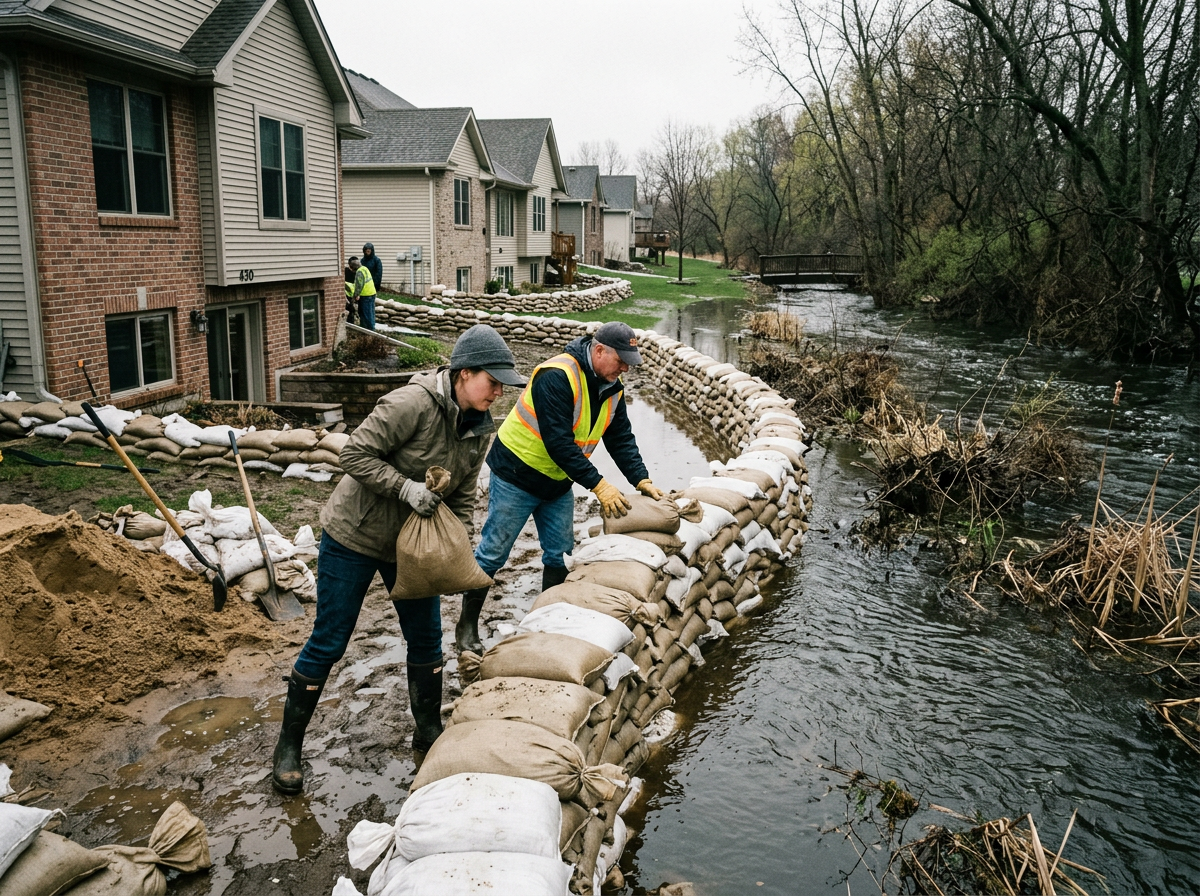
In Osseo, protecting finished basements from Elm Creek overflow begins with installing backwater valves on floor drains and sealing sump discharge lines before winter freeze sets in, because 42-60 inch frost depths block natural infiltration and push meltwater into urban combined sewers.
Elm Creek Overflow Patterns Around Osseo
Elm Creek runs through the Anoka sand plain and Wright County clay soils that surround Osseo, so spring snowmelt often flows over still-frozen ground rather than soaking in. Finished basements built on the lake-belt water table see water rise through floor drains when sewer capacity is exceeded. Ice dams on roofs can add sudden roof runoff that finds its way to foundation walls. Homeowners notice the first signs when water appears around floor drains within hours of a rapid thaw. These patterns repeat most years when temperatures swing above freezing after prolonged cold spells.
Installing Backwater Valves and Sump Protections
A backwater valve placed on the main sewer line prevents sewage from backing up through floor drains during Elm Creek high-water events. In winter, frozen sump discharge lines must be checked and insulated so pumps continue moving water away from the foundation. Residents along Broadway Street W near the business address at 101 Broadway St W #114 routinely inspect these valves each fall. Clay soils in the area hold moisture longer, so even moderate creek rises can keep basements wet for days. Regular valve testing reduces the chance of sewage entering living spaces.
Responding When Water Enters the Basement
When Elm Creek water reaches floor level, stop using electrical appliances in the basement and document conditions with photos before any cleanup begins. Water that sits longer than 24-48 hours shifts from clean to contaminated, especially in combined-sewer zones. Flooded basement cleanup crews use moisture meters to locate hidden pockets behind finished walls. Pumping alone rarely dries the space completely because winter humidity stays high and ventilation is limited. Professional extraction targets both standing water and the moisture trapped in carpet pads and drywall.
Drying Finished Basements in Cold Weather
Winter drying in Osseo requires dehumidifiers set to maintain 40-50 percent relative humidity because cold outside air cannot be used for ventilation. Typical drying takes 5-10 days when temperatures stay below freezing, longer if the Anoka sand plain water table remains elevated. Avoiding mold after incomplete drying in flooded Osseo basements explains why finished surfaces must be opened and dried from both sides. Homeowners should monitor for musty odors and soft spots in subfloors during this period.
Ongoing Maintenance to Reduce Future Risk
Annual floor-drain cleaning and backwater-valve inspection help limit recurring issues when Elm Creek rises again. Floor drain maintenance to reduce recurring flooded basement issues in Maple Grove covers the same principles that apply directly in Osseo. Checking sump pumps each October before frost arrives prevents frozen discharge lines from causing overflow. Keeping gutters clear of ice and debris reduces additional roof water that could reach the foundation. These steps together lower the frequency and severity of Elm Creek-related basement flooding.