2026-09-13 ·
Cost Factors for Flooded Basement Cleanup in Maple Grove and Brooklyn Park
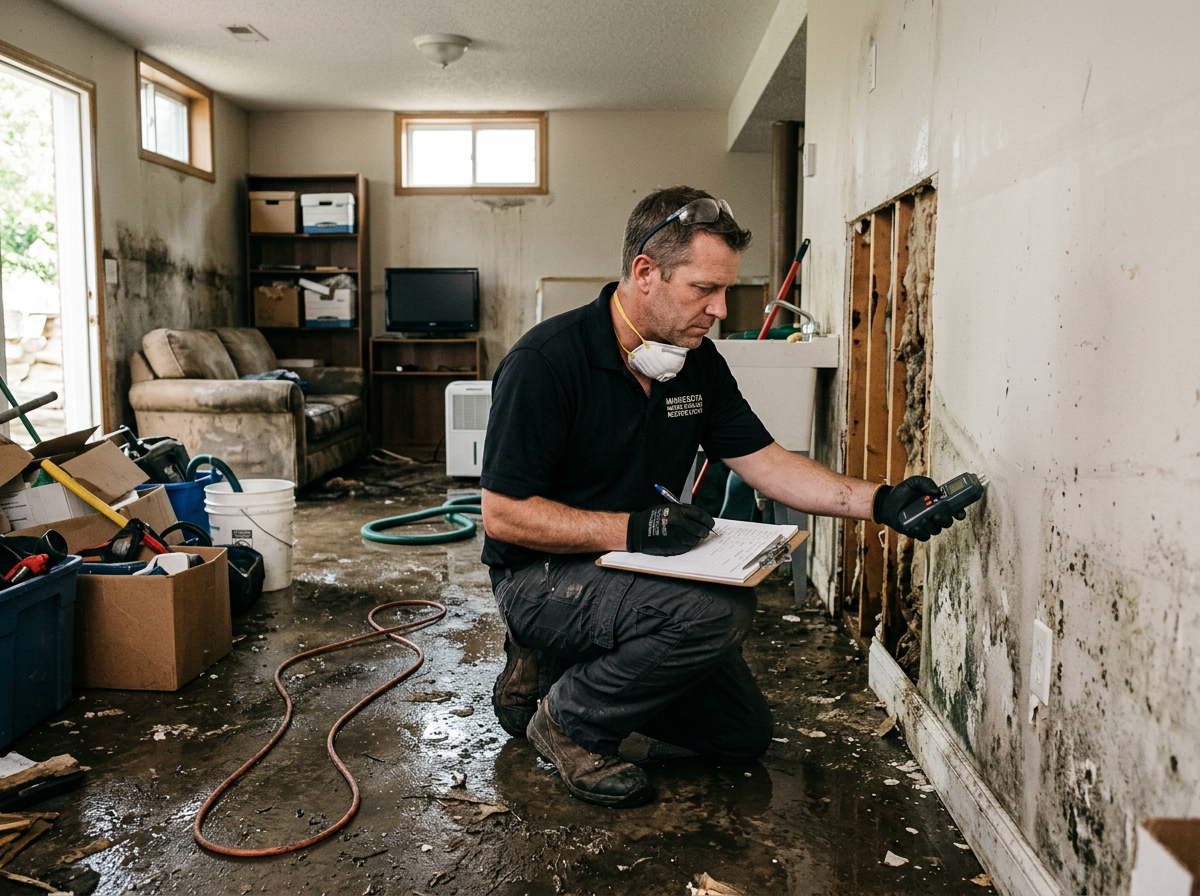
Costs for flooded basement cleanup in Maple Grove and Brooklyn Park depend on water source, contamination level, the amount of finished space affected, and how long drying takes under local winter conditions. Spring melt over frozen ground often forces water through floor drains in areas with combined sewers, while ice dams and frozen discharge lines add complications that extend the timeline beyond what occurs in milder climates.
Water Source and Contamination Level
Water that enters from surface runoff or appliance failure usually requires less intensive handling than water carrying sewage. In Brooklyn Park and Maple Grove, combined sewer systems in the urban core can push contaminated material up through floor drains during heavy melt events. This distinction changes the equipment needed and the steps for removal. Properties near the Anoka sand plain may see faster initial drainage than those on Wright County clay soils, yet both still need thorough extraction to avoid hidden pockets. Homeowners facing sewage intrusion often review their insurance policy directly with the carrier because coverage terms vary. Flooded basement cleanup crews address these differences by matching pumps and disinfectants to the specific water category present.
Finished Basements and Frost Depth Effects
Most basements in Maple Grove and Brooklyn Park are finished, which means carpet, drywall, and cabinetry absorb water and raise labor demands. The 42-60 inch frost depth typical across the region keeps the ground impermeable during spring thaw, directing more meltwater toward foundations. When backwater valves are absent or sump discharge lines freeze, water volume inside the structure increases quickly. Removing wet insulation and subflooring from finished spaces adds steps that unfinished areas do not require. These details directly influence the number of days equipment must remain on site. Readers can learn more about preventing repeat issues through proper grading in the related article on grading and drainage fixes around foundations in Osseo.
Winter Drying Duration and Equipment Needs
Drying times stretch longer in winter because outdoor temperatures prevent opening windows for ventilation. Technicians target indoor humidity levels around 40-50 percent while maintaining air movers and dehumidifiers for three to seven days or more, depending on material thickness and initial saturation. In Maple Grove and Brooklyn Park, lake-belt water tables can keep soil moisture high even after surface water is gone, slowing the final stages. Monitoring moisture meters in multiple locations helps confirm when drywall and flooring have returned to acceptable levels. Basement water removal teams adjust equipment placement around finished rooms to avoid damaging trim or electrical outlets during this extended period.
Local Maple Grove and Brooklyn Park Considerations
Maple Grove properties near Elm Creek and Brooklyn Park homes along the Mississippi often experience different water table responses after heavy rain or melt. Ice dams along rooflines can force additional water through walls, compounding basement issues. After extraction, decisions about salvaging drywall, carpet, or furniture follow the same practical assessment used across the Twin Cities. The article on salvaging items after flooded basement cleanup in Twin Cities homes outlines steps for evaluating what can be kept. Crews operating from the Osseo location at 101 Broadway St W #114 serve both communities with the same focus on thorough drying rather than rushed completion.